FOR HUMANS, SYSTEMS, AND MACHINES
BUILT FOR THE NEXT DECADE OF BREAKTHROUGHS
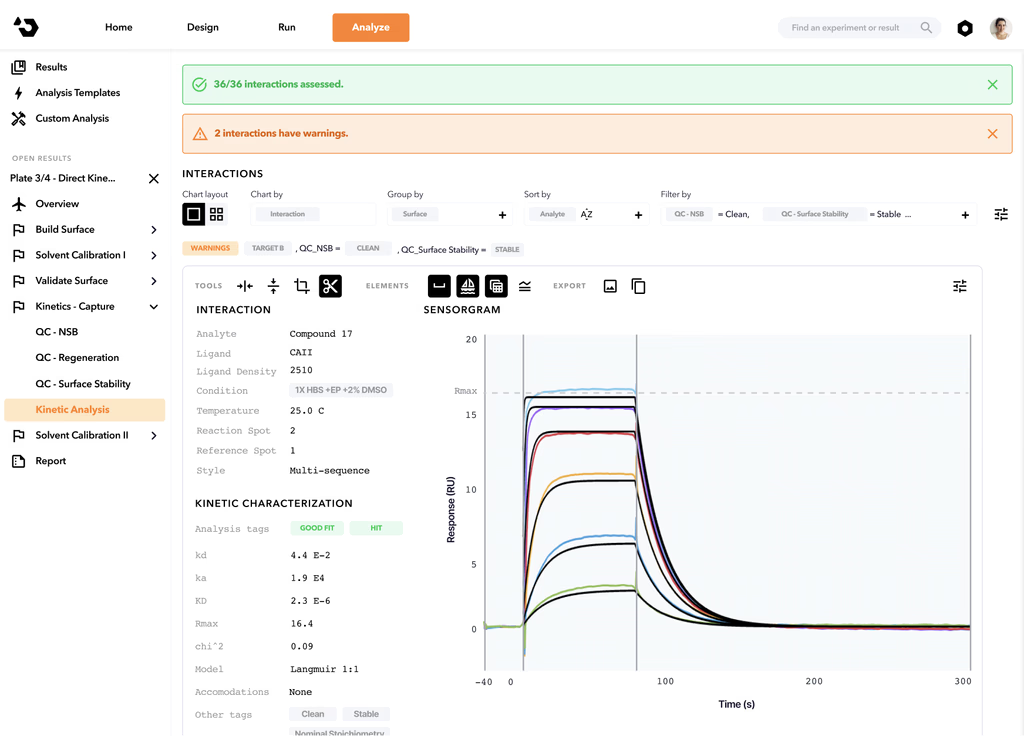
CLASSICAL SPR, REIMAGINED
| KD | 1E-3 to 1E-12 M |
| ka | Proteins < 3 E9 M-1 s-1, SM < 5 E7 M-1 s-1 |
| kd | 1 E-5 to 1 s-2 |
| Molecular weight | No lower limit for organic molecules |
GOLD STANDARD DATA QUALITY, 1 ON 7 FLOW CELL
| Needles | 1 | Max injection volume | 1 mL |
| Flowcells | 1 | Sample loops | 2 |
| Flow paths | 7 | Buffers | 1 mL |
| Flow cell volume | 50 nL | Bulk reagents | 1 mL |
| Flow rate | 5-300 µL/min | SNR | 1 mL |
| Sample zone | Ambient 8 °C with chiller |
Reaction zone | 25-37 °C 4-37 °C with chiller |
| H x W x D | 535 x 250 x 530 mm | Data rate | 1-50 Hz |
| Sensitivity | 0.02 RU RMSD |
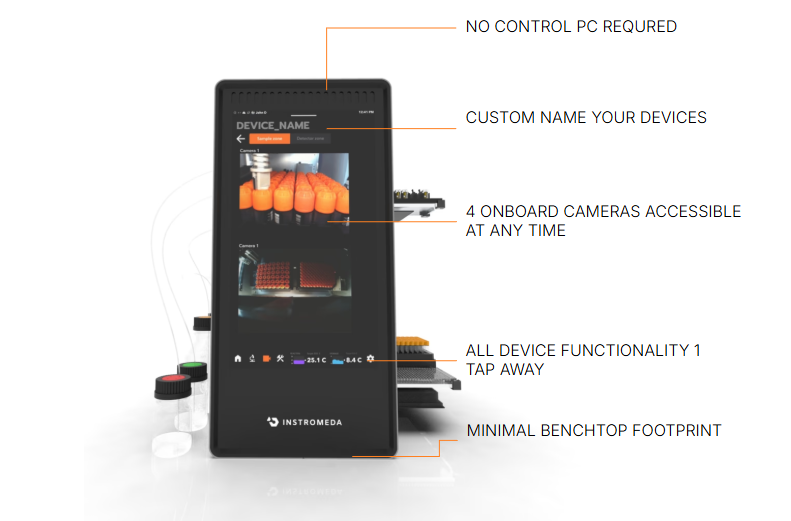
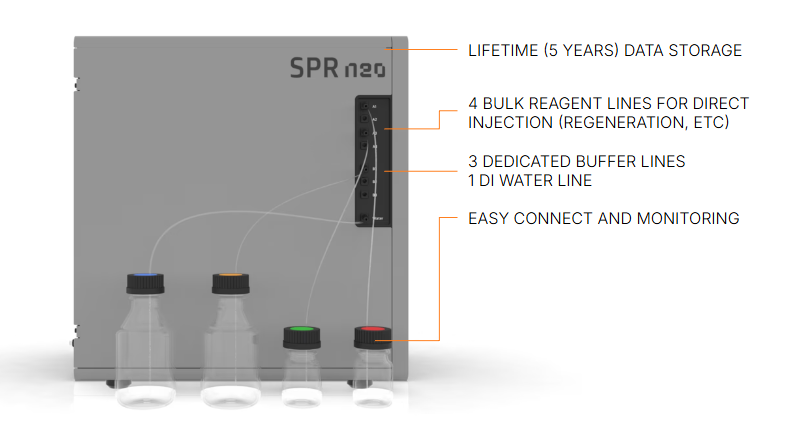
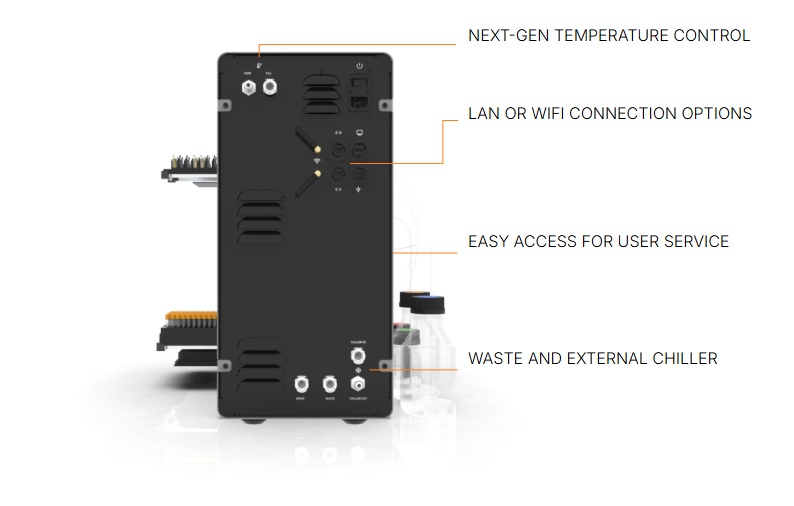
|
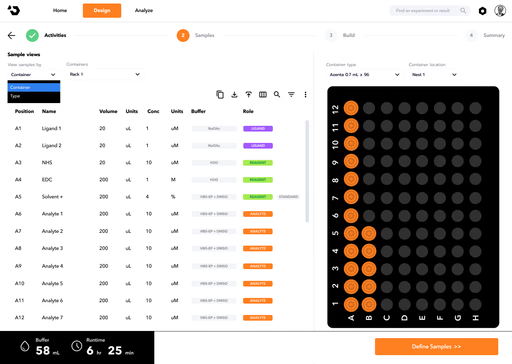
DESIGN EXPERIMENTS, MONITOR RUNS, AND WORK WITH RESULTS FROM ANYWHERE WITH A BROWSER |
|
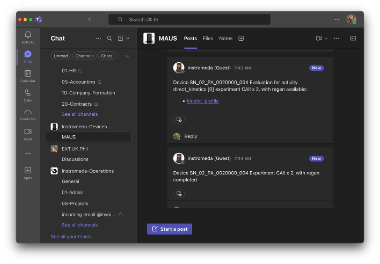
KEEP UP WITH YOUR DEVICES VIA MESSAGE APPS FOR UPDATES AND SECURE DATA LINKS |
IN THE LAB, WORK WITH THE MACHINE
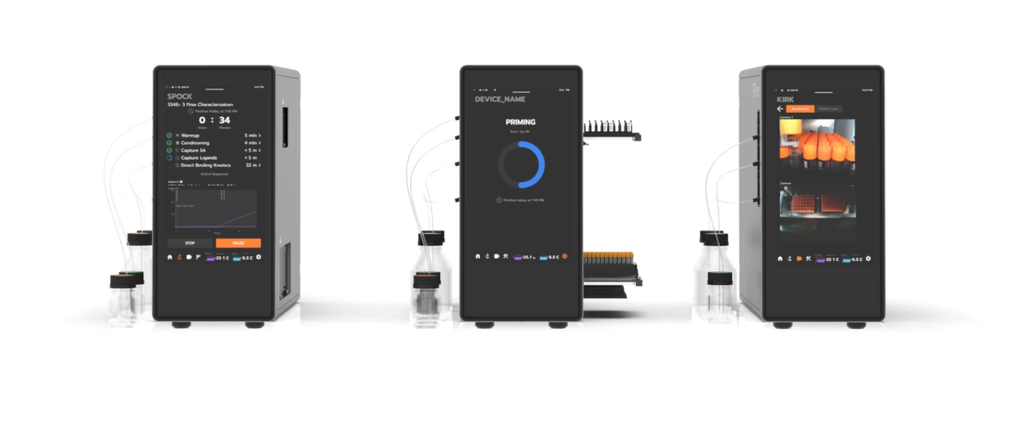
A single device can handle most workloads, but multiple devices can swarm a large experiment in parallel from a single assay design.
EXAMPLE WORKLOADS ON A DEVICE CLUSTER
EXPERIMENT 1
METHOD 1/3
EXPERIMENT 1
SCREEN
EXPERIMENT 1
METHOD 2/3
EXPERIMENT 2
OPTIMIZATION
EXPERIMENT 1
METHOD 3/3
EXPERIMENT 3
FINAL CHARACTERIZATION
ADVANCED EXPERIMENTAL AUTOMATION WITHIN A SINGLE DEVICE
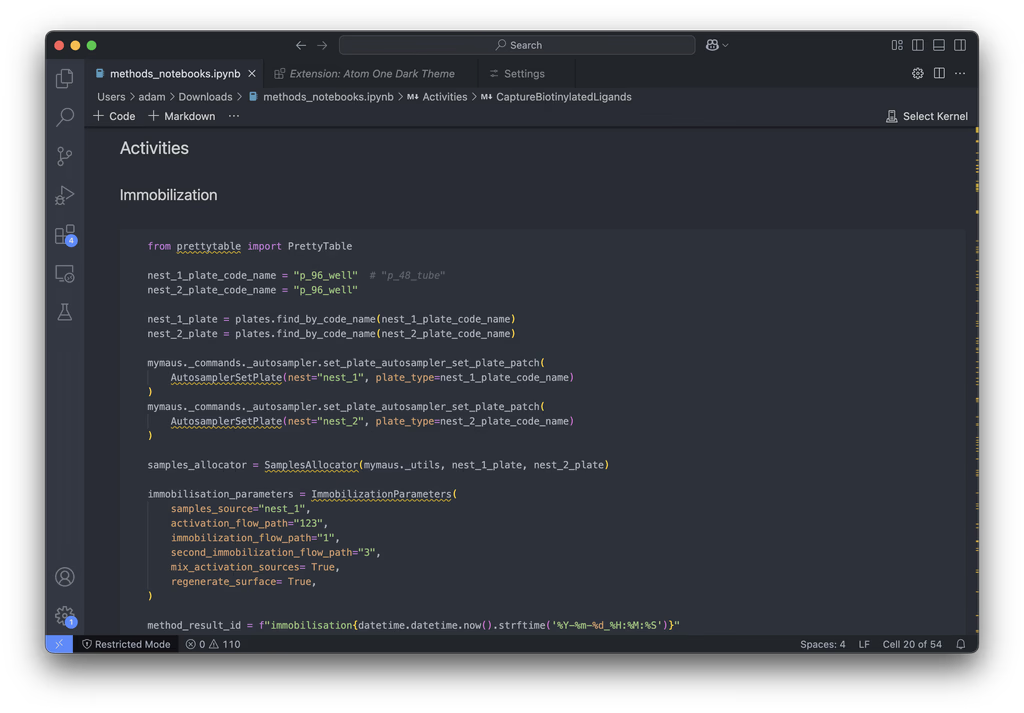
Queue up experiments and leverage real-time optimization and emergent event handling within a single device setup.
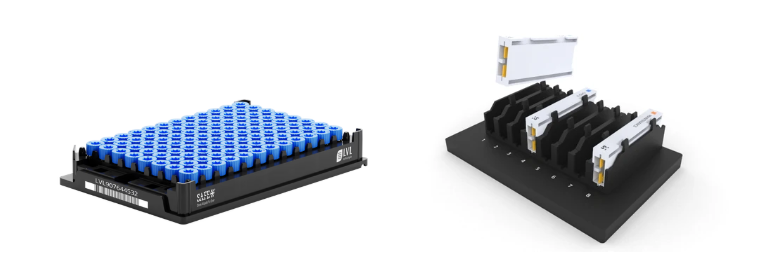
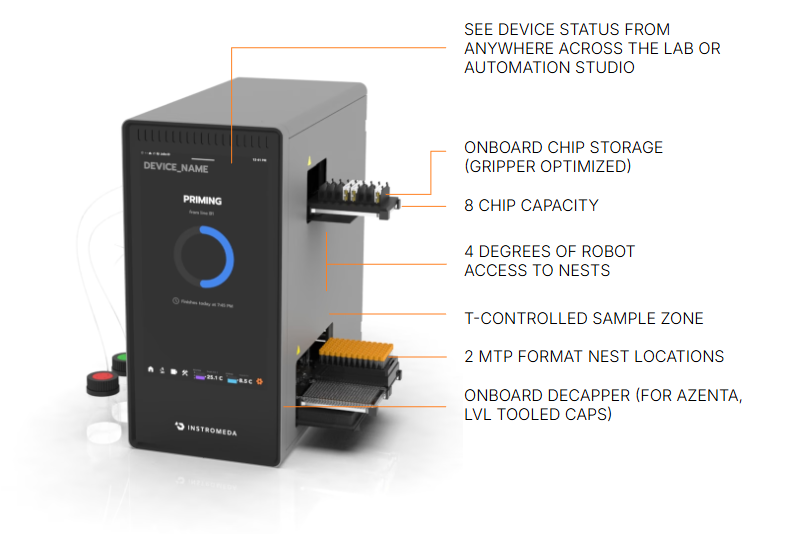
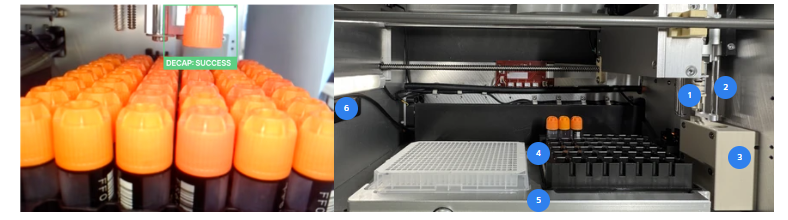
Our autosampler is a fully featured sample handler. It is compatible with 2 MTP formatted plates. With an onboard de-capper, it can also accomodate tooled caps (Azenta, LVL) for seamless integration into automation environments. It can cap/de-decap, pierce, mix, dilute, elute, transfer, and prepare samples dynamically.
Combined with runtime analytics, the machine can perform and optimize experiments on the fly.
For example, based on a quick injection of an analyte from a single tube, the machine can determine if a reaction is present and what the apparent kinetics are. It can then prepare a concentration series to perfectly bracket the KD for a beautiful sensorgram. It can select from available regeneration solutions, or prepare fresh chips on the fly in the event activity is lost or a sticky compound fouls the surface.
Let the machine do the work for you, while maintaining clear traceability on all decisions made within user defined boundaries.
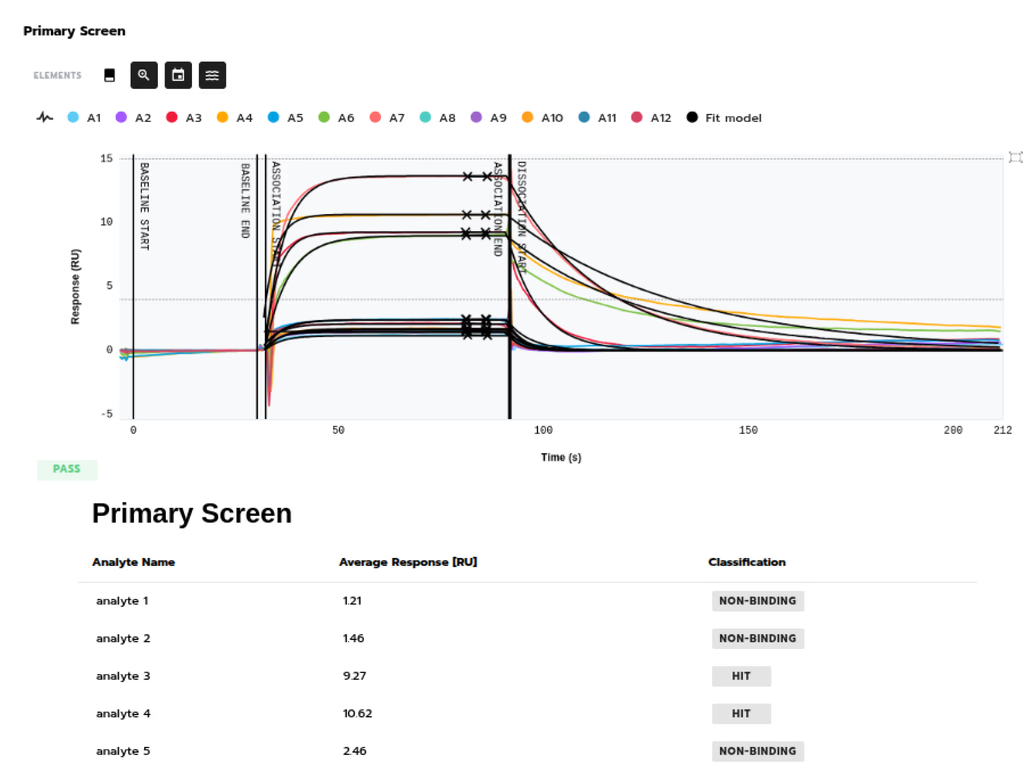
Running buffer: 1X HBS +EP +2% DMSO
Interaction matrix: [24 compounds] x [1 target protein] x [1 initial concentration, up to 6 if a hit] x [1 buffer condition, 1X HBS +EP +2% DMSO]
Interaction sequence: [30 s BASELINE] + [60 s ASSOCIATION] + [180 s DISSOCIATION]
Blank frequency: AFTER each UNIQUE ANALYTE
Activity queue: [CONDITIONING], [IMMOBILIZATION], [WARMUPS], [KINETIC SCREENING]
System setup: Nest 1 = Azenta 48 rack, reagent stocks and compound stocks
Nest 2 = empty 96 well plate
Hits are validated by signal level (stoichiometrically relevant and above 10% maximum response) and fit quality.
Once confirmed, additional concentrations are run to generate complete screening sensorgrams up to 6 points in a 3 fold dilution series prepared by the device, on-the-fly.
Further criterion can be defined for screening, including 'ligand efficiency', non-stoichiometric behaviors (based on response), and similar tests against up to 5 additional controls or target variants.
For simplicity, we focused only on signal levels and binding kinetics, letting the device do all the liquid handling and analytics required.
@ 25 °C, on 2150 RU of immobilized CAII, 6-point 3-fold serial dilutions using 100 µM stocks (45 µM starting concentration BS and CBS, 100 µM start for Sulpiride).
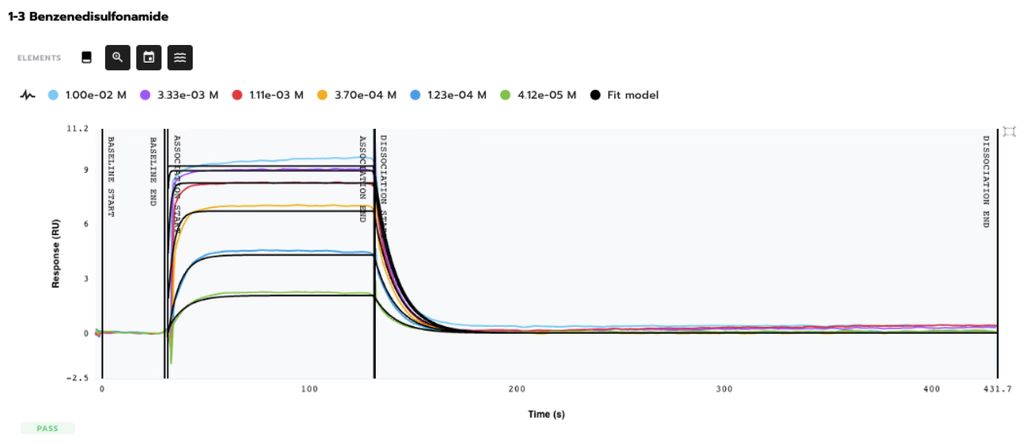
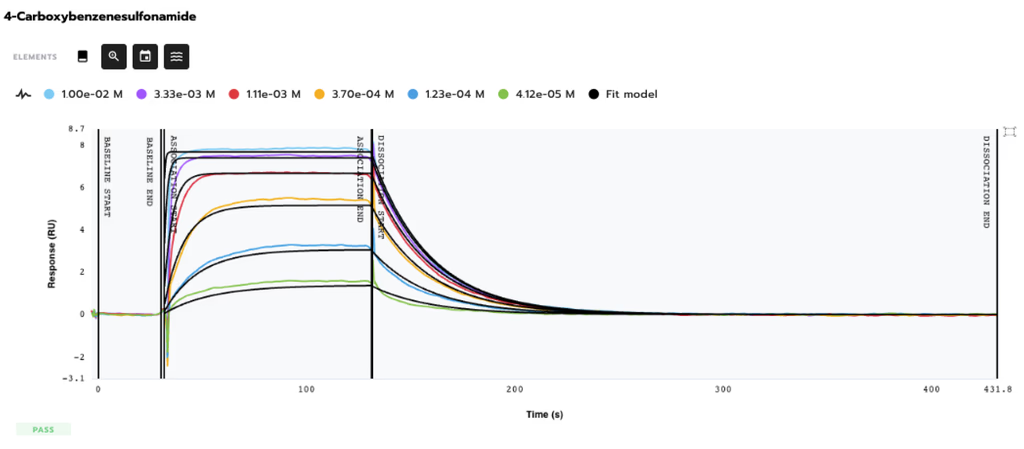
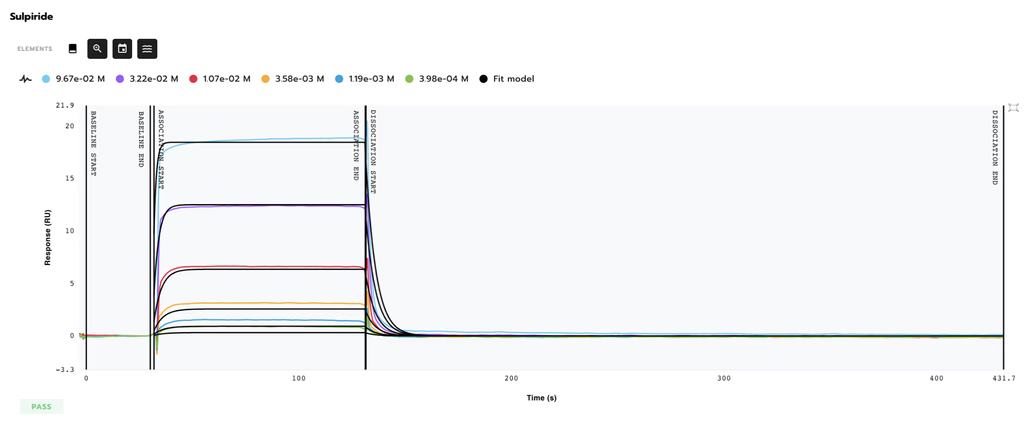
Additional data on a lower density surface, ~5 RU RMax
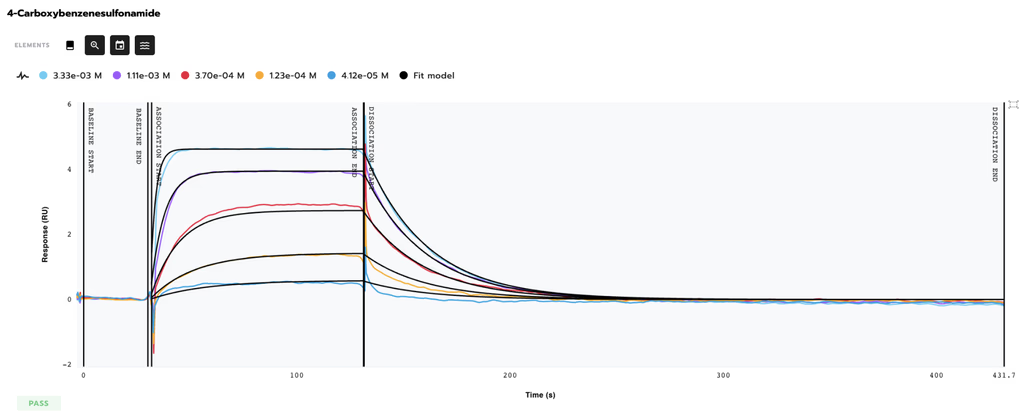
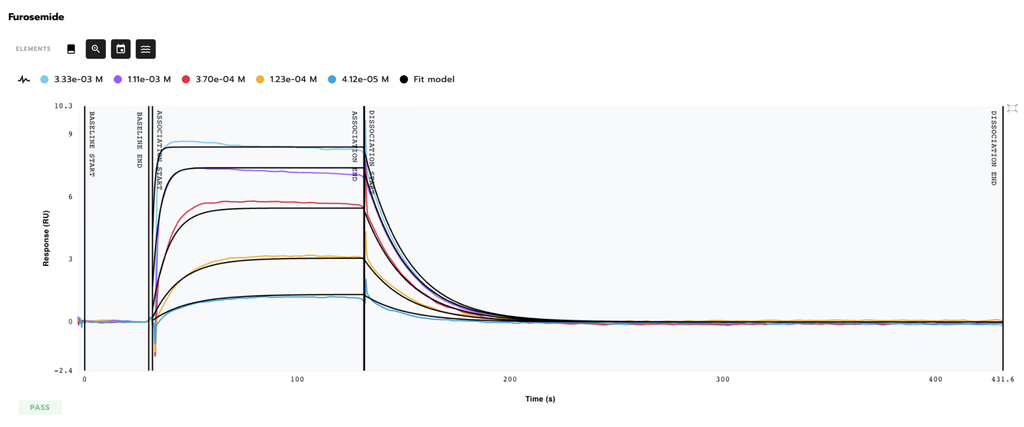
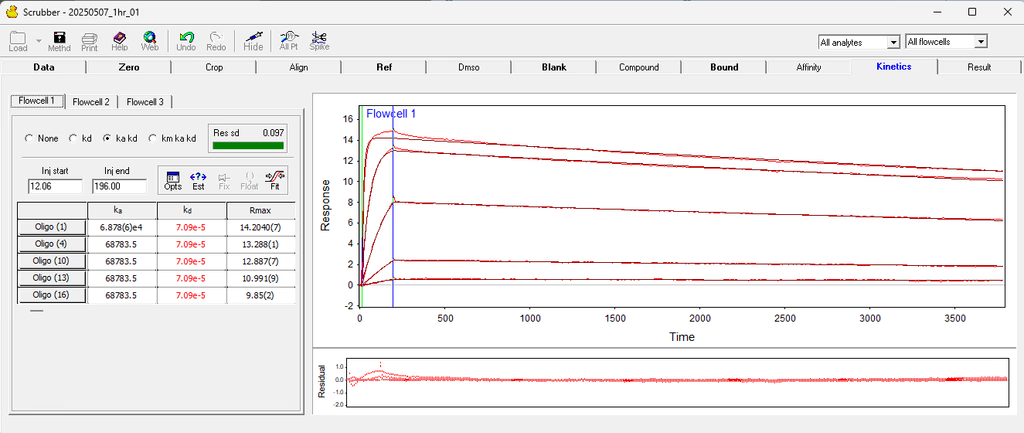
Example of stability over a 3600 s dissociation, and our one-click export to your favorite analysis tool.