About Instromeda
We are a team of engineers and product people building self-driving analytical instruments. Founded in Oxford, England, with operations in Hamburg and San Francisco.
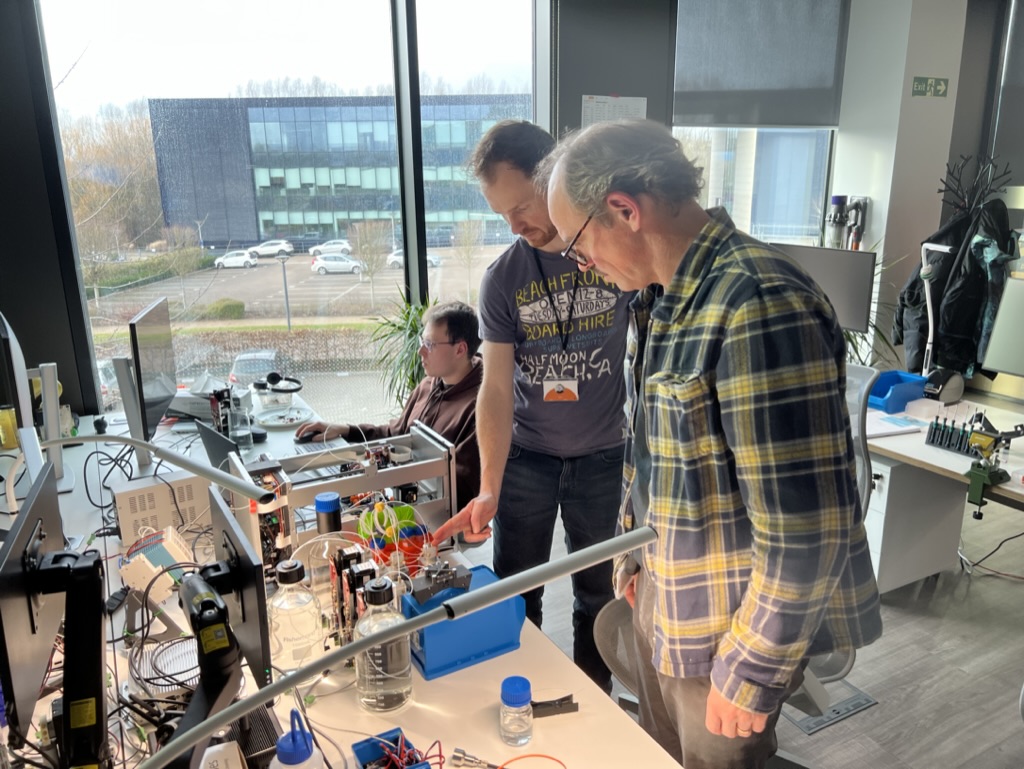
Oxford, 2024. Building the first SPRneo prototypes.
The machines themselves are the last barrier to the Lab 4.0 revolution.
We are on a mission to change the way lab instrumentation is designed and built, making key data types accessible to more users than ever — humans, systems, and machines alike.
As more labs embrace automation to speed the discovery and development of novel therapeutics, devices themselves struggle to keep up. Schedulers, orchestrators, and agents are transformative — but too many instruments still require skilled human operators and were never designed to work with these innovations.
We have rethought how devices should be built to work with the coming wave of computational and automation technologies, while making them more affordable and easier to use.
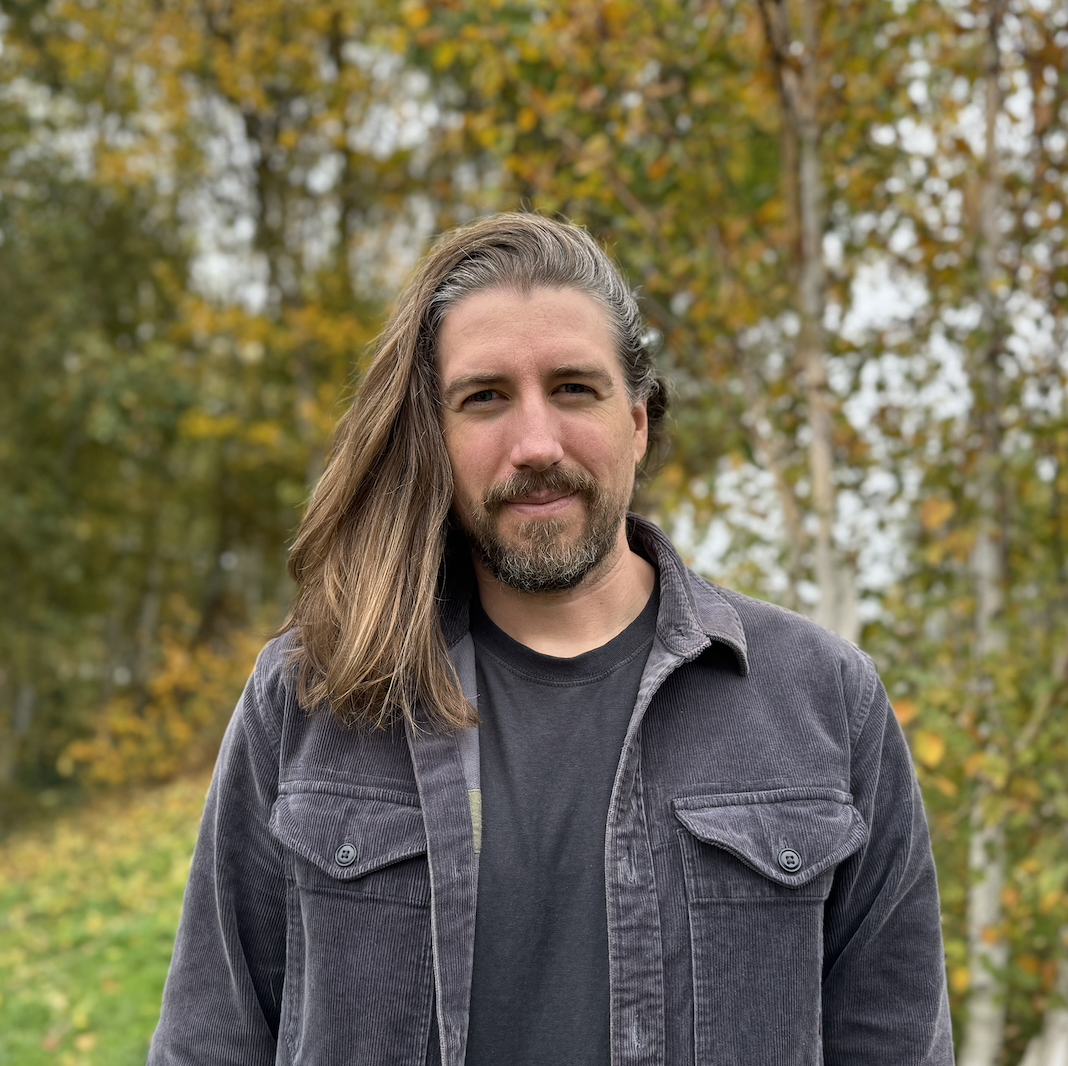
Adam Miles
Co-Founder
Veteran product manager working to make life easier for every user in experimental biophysics — humans, systems, and machines alike. Founding engineer at Carterra and product leader at Bruker and Nicoya, where he led a number of successful product entries in biophysics. Probably swimming. Or thinking about it.
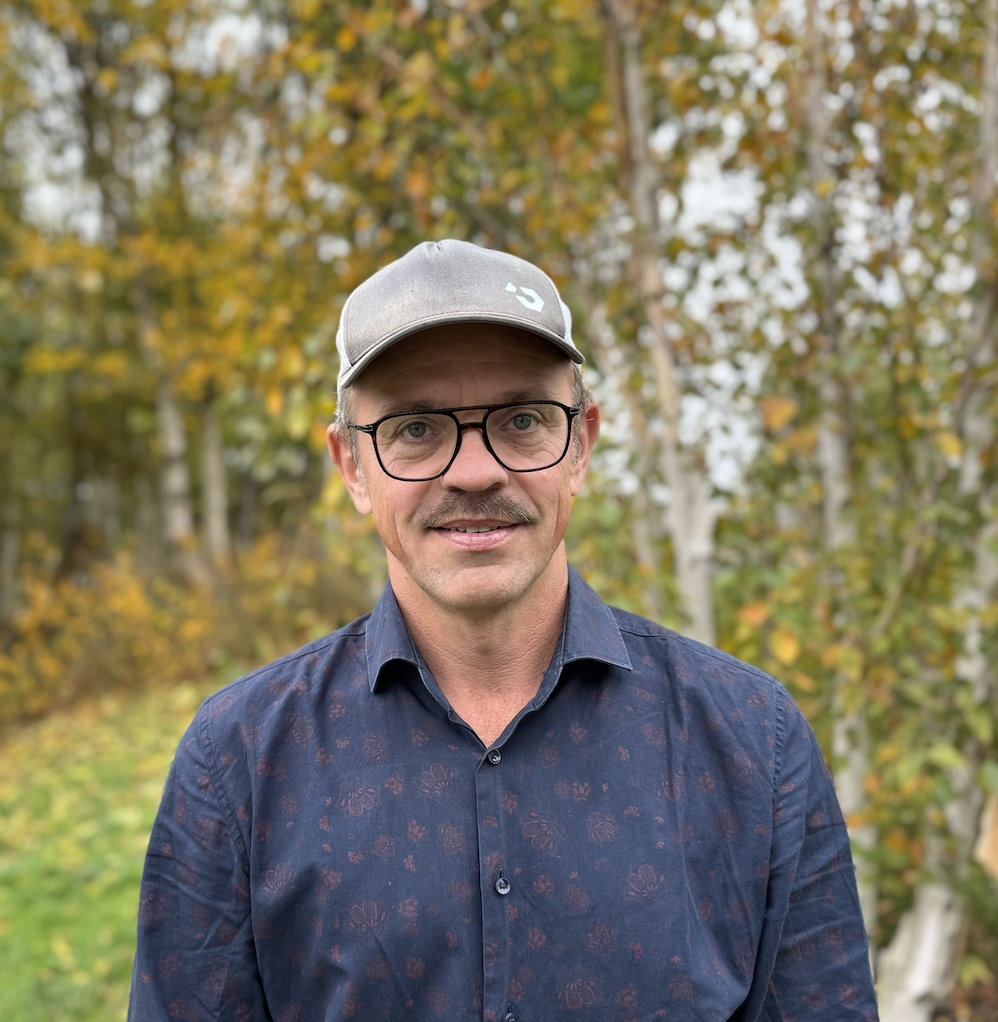
Klaus Wiehler
Co-Founder
Engineering leader and entrepreneur. Co-founded Sierra Sensors and led the development of several successful instruments through to acquisition by Bruker. Passionate about bringing the fun back to SPR and biophysics instrumentation.
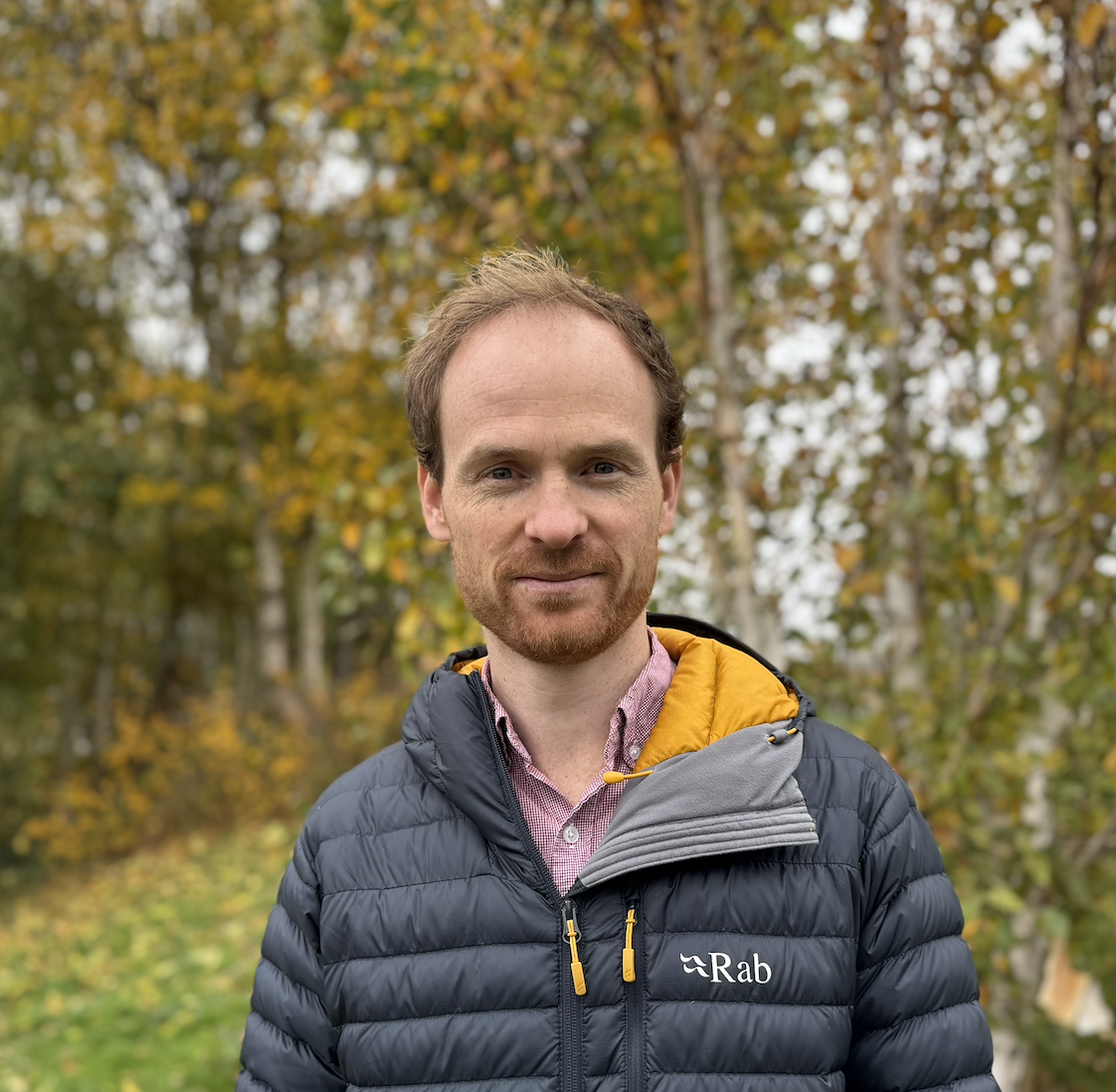
Ben Lefroy
Co-Founder
Mechanical engineer and systems thinker with a decade of experience taking medical devices and lab technology from requirements to manufacture. Loves the open trail, finding creativity and clarity in every step.
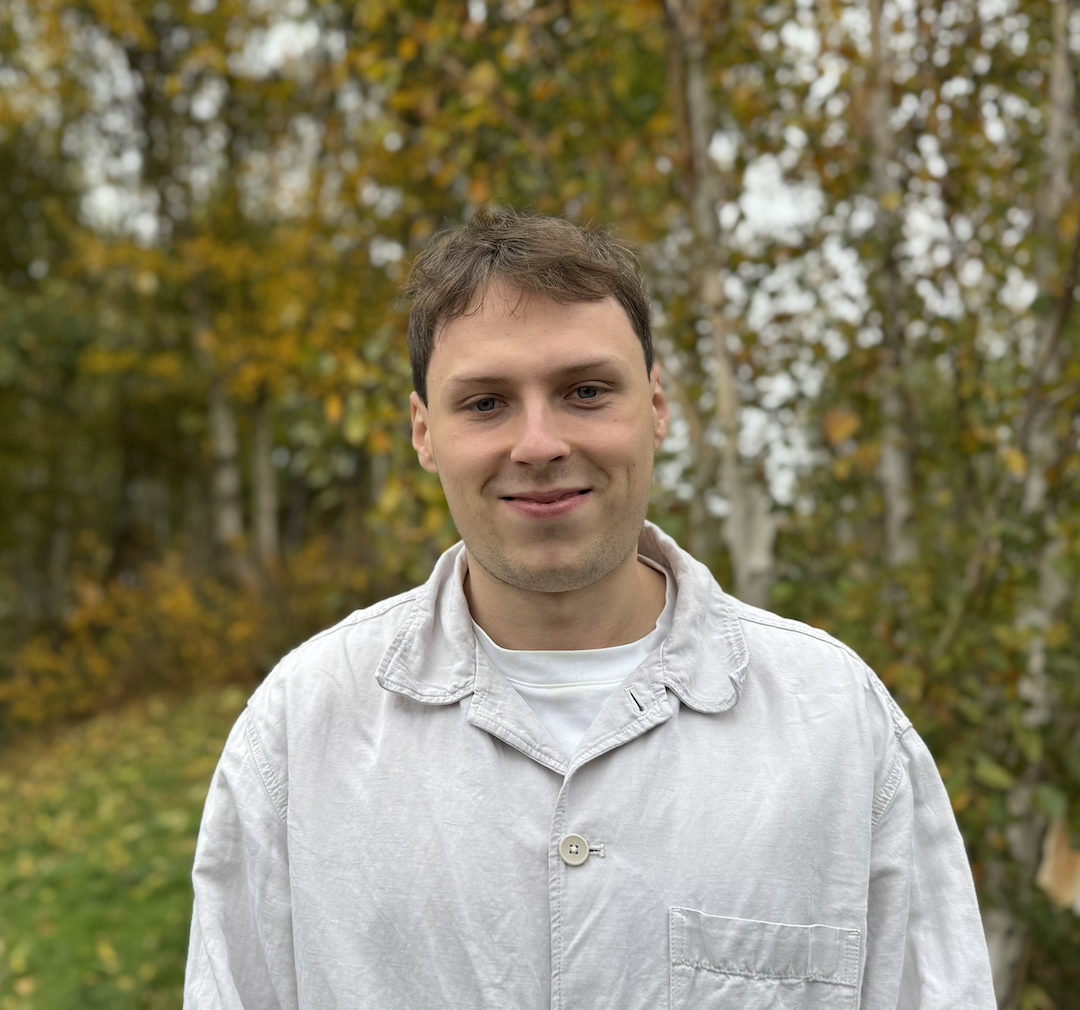
Jakub Pliszka
Co-Founder
Full-stack engineer who built the Instromeda software platform — from embedded systems on the device to the cloud.
See what accessible biophysics actually looks like.
We'll run a binding experiment live — on your molecules if you bring them. No canned demo. No slide deck.
Request a Demo